

Within today's fast-paced manufacturing environment, the need for accuracy and efficiency has never been greater. CNC milling has become as foundational approach in the field of CNC machining, allowing businesses to produce intricate parts with unparalleled accuracy. This sophisticated process combines state-of-the-art automation with the craft of precision engineering, offering a flexible approach for a wide range of industries, spanning aerospace to automotive and robotics.
CNC milling services provide the capability to manufacture custom machined parts that meet rigorous specifications, guaranteeing each component is crafted to perfection. With the ability to handle various materials, including aluminum, stainless steel, and brass, high-precision CNC machining enables manufacturers to deliver high-quality products reliably and effectively. Whether it is for small batch manufacturing or rapid prototyping services, CNC milling is recognized as a vital tool in the modern manufacturer's toolkit, bridging the gap between innovation and functionality in the creation of engineered machined parts.
Understanding CNC Machining Processes
Computer Numerical Control machining is a manufacturing process that utilizes computerized controls to control and operate machine tools. This technology facilitates high precision CNC machining, enabling the production of complex designs that would be difficult to achieve through manual methods. The process includes converting a computer-aided design into a digital representation which instructs the CNC machine in shaping, forming, and forming a range of materials.
There are multiple types of CNC machining processes, including CNC turning, CNC milling, and CNC path cutting. CNC milling involves the removal of material using rotary cutters to shape parts and is particularly efficient for producing complex geometries. CNC turning, on the other hand, works by rotating the workpiece against a stationary cutting tool, resulting in round shapes. Each method has its distinct advantages, making them suitable for different applications in multiple industries.
The versatility of CNC machining is apparent in its ability to function with a wide range of materials, such as metals like aluminium, stainless steel, and brass. This capability allows for the manufacture of precision machined parts and components tailored to particular needs, such as CNC machining for aeronautical or vehicle applications. The combination of precision and automation makes CNC machining an essential technique in modern manufacturing, supporting low-volume manufacturing and rapid prototyping services for custom machined parts.
Advantages of Precision CNC Milling
Precision CNC milling offers unmatched precision that is essential for producing intricate components in different industries. The cutting-edge computer numeric control technology enables tight tolerances and detailed designs, ensuring that every component meets precise specifications. This high level of precision reduces the need for revising or adjustments, saving time and resources in the manufacturing process. As a result, industries such as aviation, car manufacturing, and automation greatly benefit from the dependability of precision CNC machined parts.
A further significant benefit of precision CNC milling is its flexibility in working with a range of materials. Whether dealing with metals like aluminum, stainless steel, or copper-zinc alloy, or other materials, CNC milling can produce custom machined parts customized to specific project requirements. The ability to handle various materials effectively makes CNC milling an ideal choice for both low volume manufacturing and rapid prototyping services, enabling the creation of engineered machined parts that meet the distinct needs of different applications.
Additionally, precision CNC milling boosts overall efficiency in production. The combination of multi-axis and 5-axis CNC machining allows manufacturers to perform complex machining operations in a single setup. This drastically reduces production time and enhances the overall workflow by reducing the handling of parts. With CNC machining services that prioritize both quickness and quality, businesses can achieve enhanced productivity levels while still delivering exceptional CNC machined components to their clients.
Applications of CNC Machining in Multiple Industries
CNC machining has become an integral part of numerous sectors, greatly enhancing production capabilities and precision. In the aerospace sector, for example, CNC machining ensures the manufacture of light yet strong components that meet stringent safety and operational standards. High accuracy CNC machining allows manufacturers to produce detailed geometries required for aerospace parts while maintaining strict tolerances, which are critical for optimal functionality and security in the air.
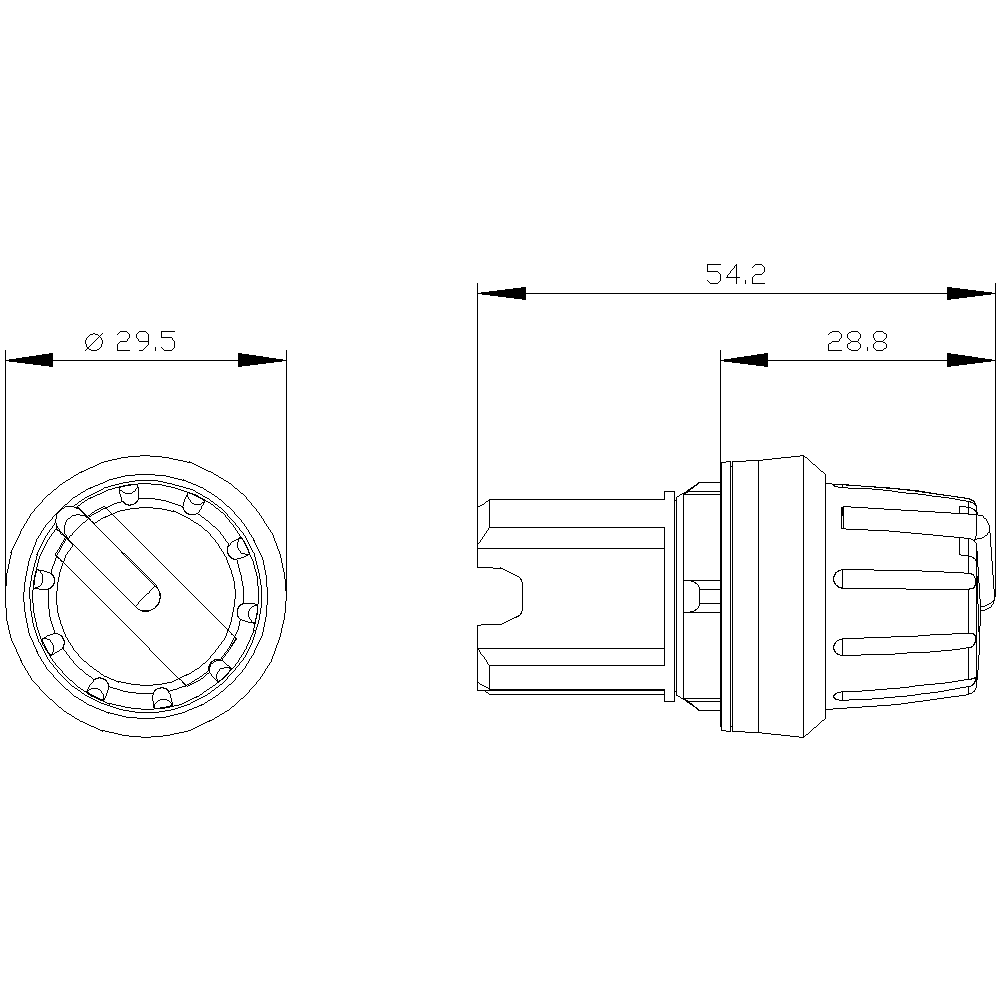
The vehicle industry also is greatly dependent on computer numerical control machining for its manufacturing processes. Bespoke CNC machined parts are used to manufacture all from engine parts to intricate interior features. High precision CNC machining facilitates efficient production of both low volume manufacturing operations and large-scale operations. This versatility makes CNC machining an excellent choice for companies looking to innovate while minimizing scrap and enhancing productivity.
In the realm of healthcare product manufacturing, precision machining plays a central role in developing precision machined components that ensure reliability and security. CNC machining for healthcare use typically involves the manufacture of tailored metal parts that adhere to rigorous regulatory standards. As OEM machined parts continues to progress, CNC machining services are expected to further revolutionize the manufacturing methods across different industries, ensuring high-quality, long-lasting and precise solutions.